Systems
Fixed tilt or trackers? What changes on the installation side
Kamran Malik6 min read
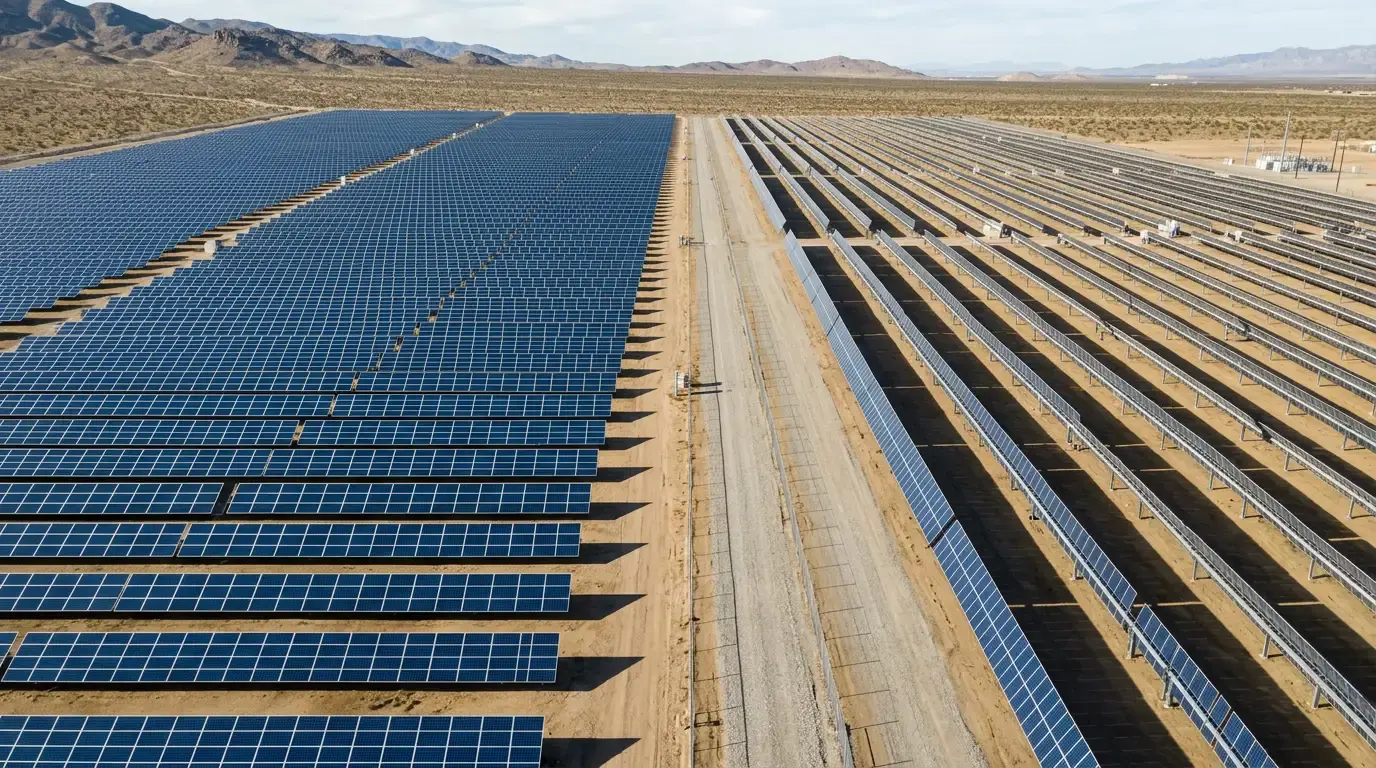
The choice between fixed structures and single-axis trackers is usually made on yield and cost per kilowatt-hour. From the mechanical contractor’s seat, it also changes how the site is built.
Fixed-tilt structures
Fixed frames are simpler and forgiving. Fewer moving parts mean quicker assembly, and crews can reach a high and steady daily output once the repetition is established. Terrain following is generally easier too.
Single-axis trackers
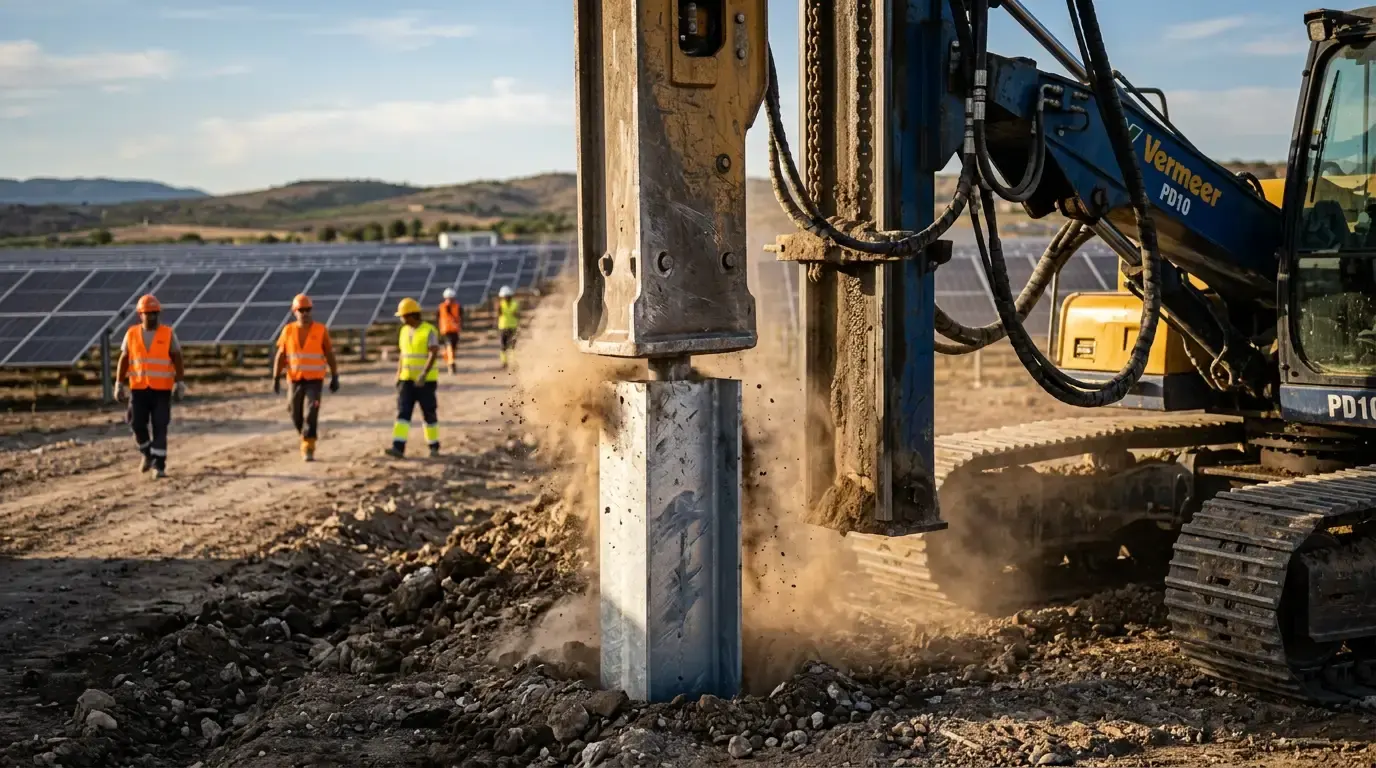
Trackers demand tighter pile tolerances and careful alignment of torque tubes along long rows. Drives and controllers add steps and testing. The reward is higher energy yield, and the work rewards crews who are precise from the first pile.
- Trackers need tighter pile tolerances than fixed frames.
- Fixed-tilt assembly usually offers the highest daily output.
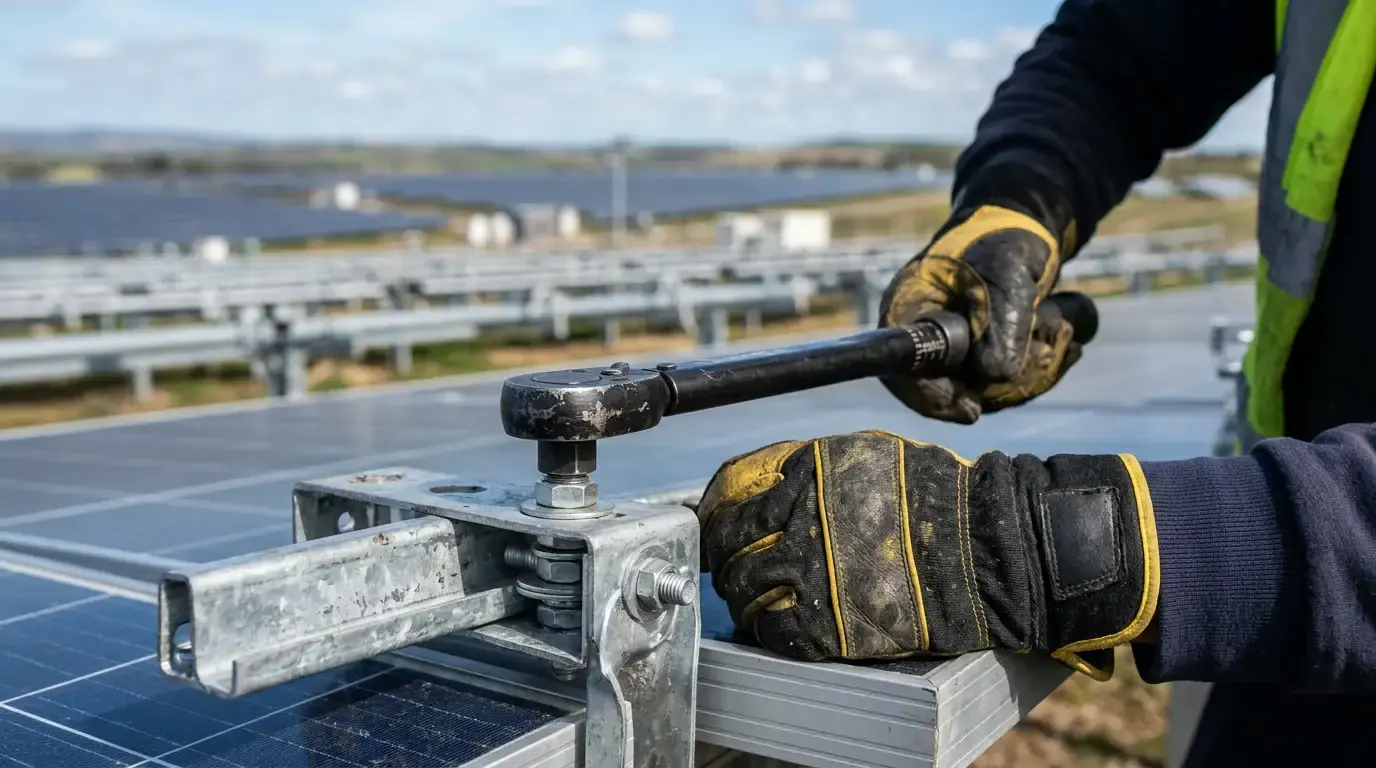
- Both need documented torque and alignment checks.
- Early agreement on sequencing avoids idle crews between phases.
Whichever you choose, involve the installation partner early. A short review of the design with the people who will build it often removes weeks from the programme.