Guide
Solar energy: a complete guide to clean and sustainable power
Fast Energy7 min read
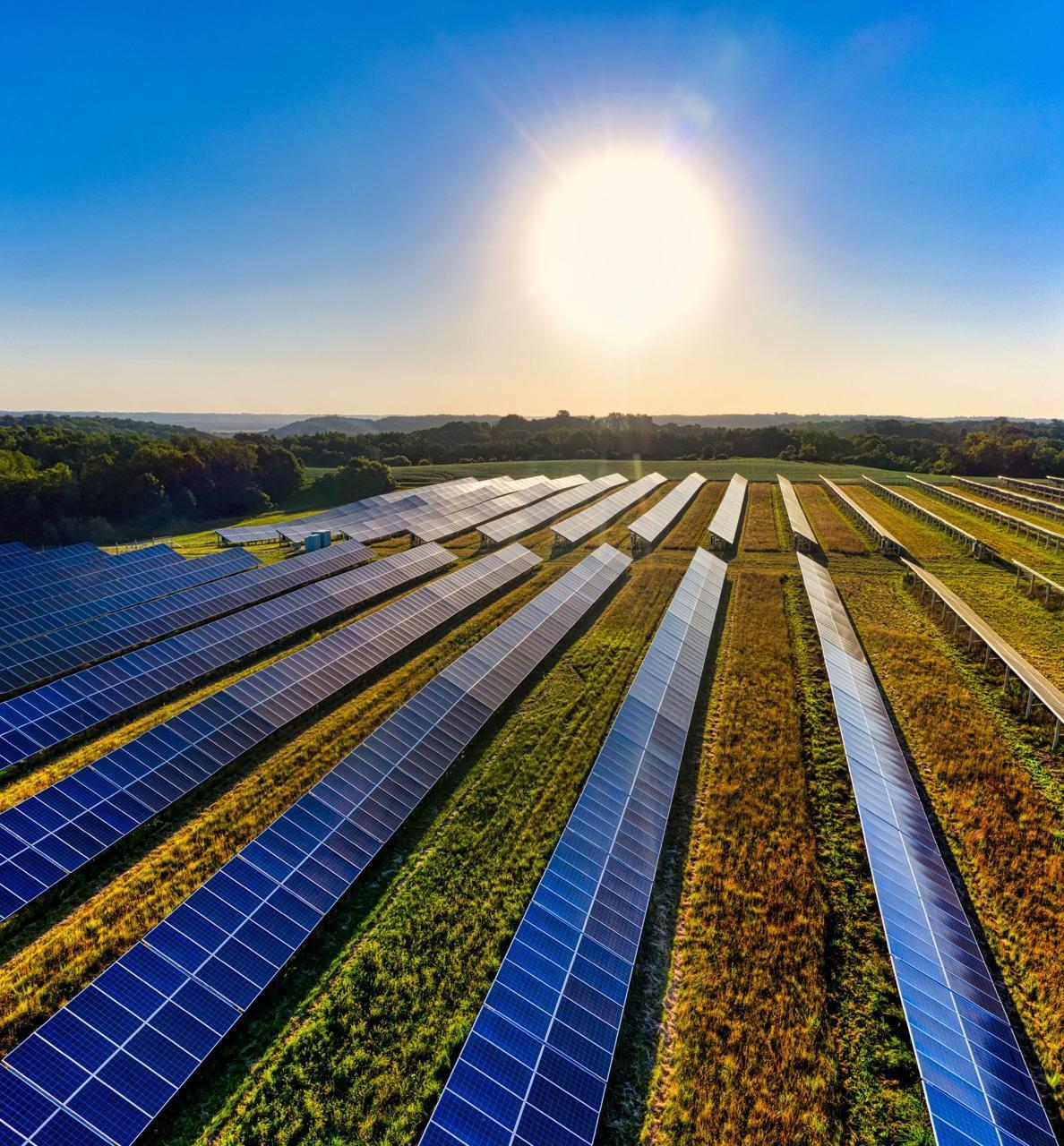
Ever looked at your electric bill and wondered how to bring it down? Between price rises, outages and the push for cleaner power, more people are looking at alternatives. Solar energy is the process of converting sunlight into electricity and heat. This guide covers how it works, the main system types, the benefits, and the parts that make up a solar installation.
How solar electricity works
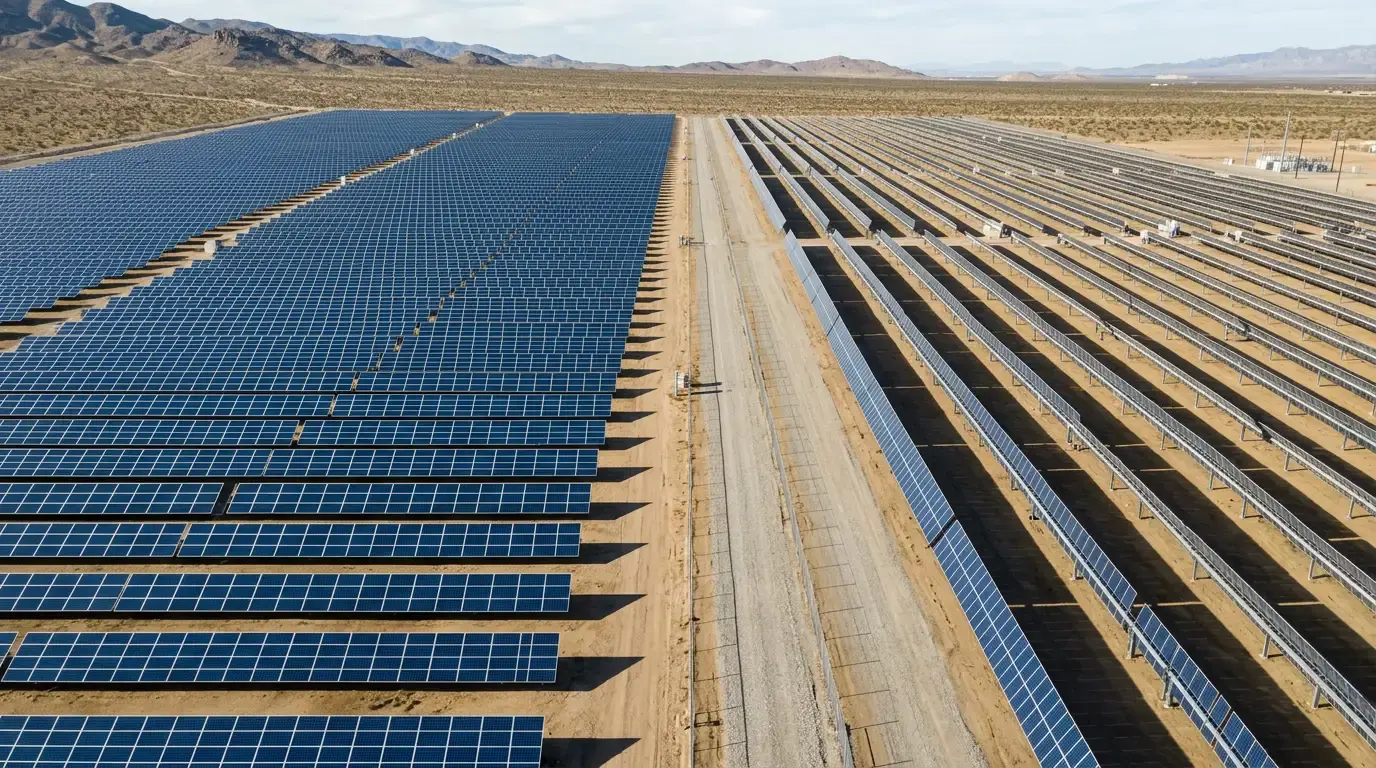
Photovoltaic cells convert sunlight into electricity. When sunlight hits the panels, they generate direct current (DC). An inverter then converts that DC into alternating current (AC), which is what homes and businesses use. Any surplus can be stored in batteries or, where local rules allow, sent back to the grid.
Types of solar systems
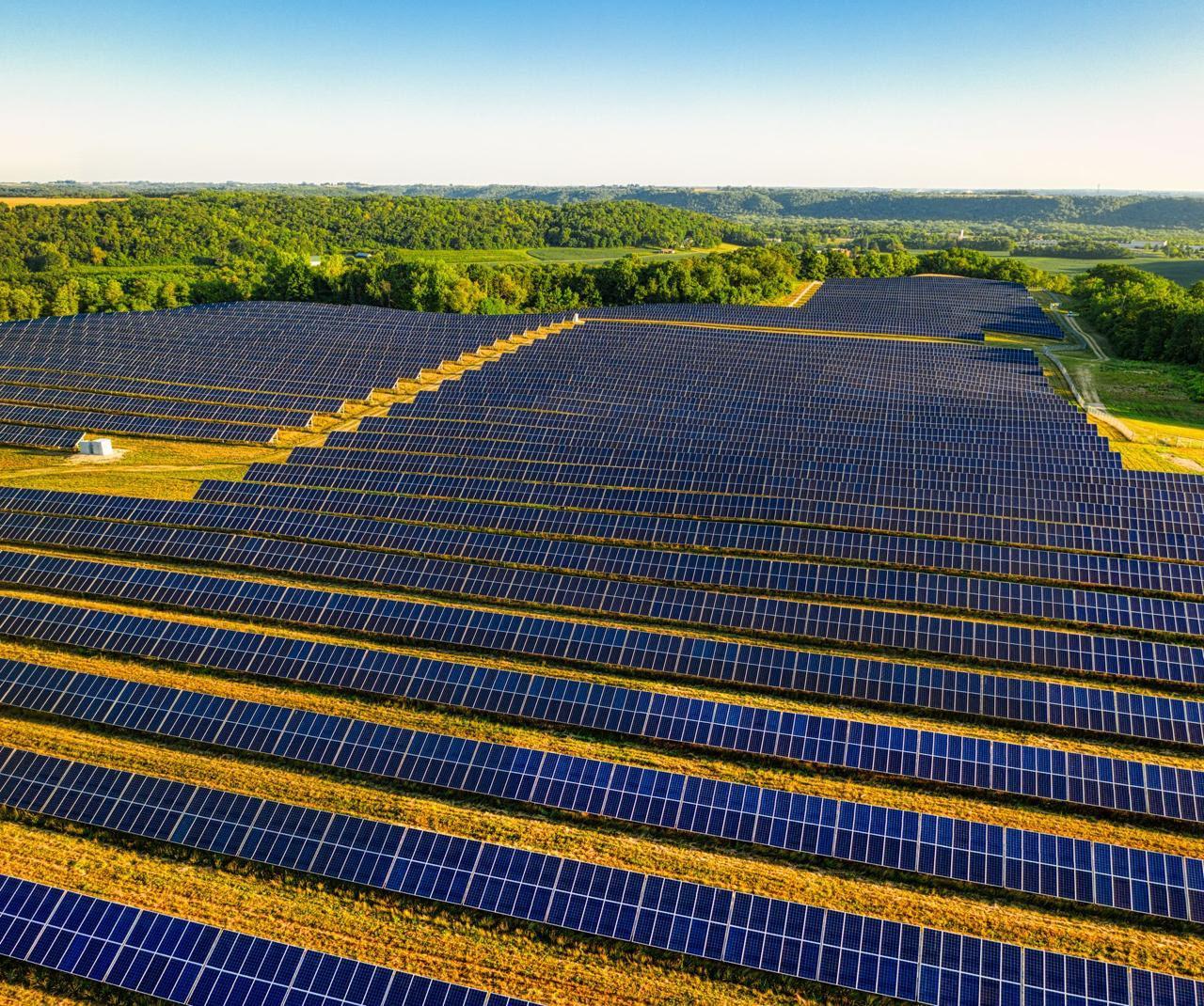
- Grid-connected systems work with the public electrical grid. On sunny days the panels supply your load; when production drops, the grid covers the difference.
- Off-grid systems typically include batteries and can operate independently of the utility network.
- Solar thermal systems use the sun’s heat to warm water or air. They do not generate electricity.
Advantages of solar renewable energy
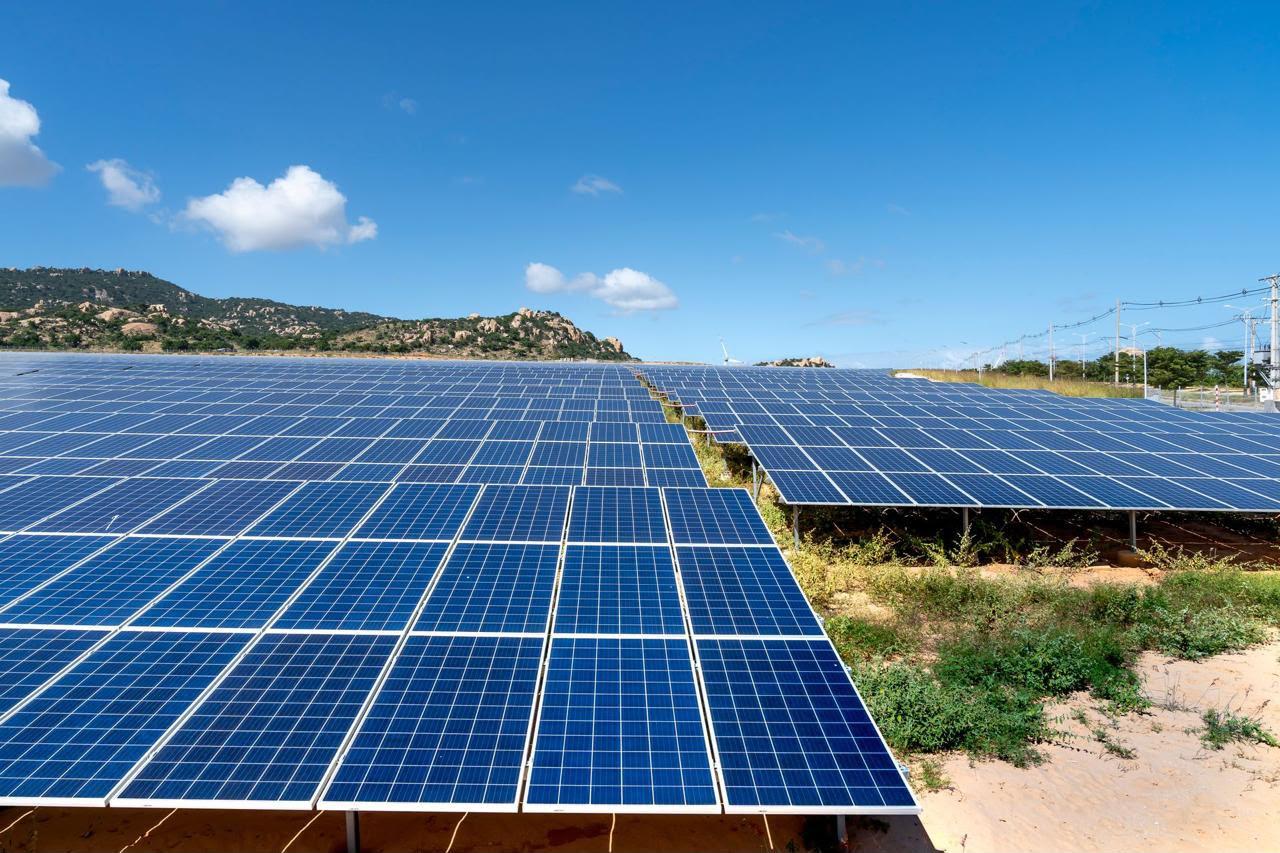
Solar can lower electricity bills, provide greater energy independence and cut emissions while you use it. It is a renewable resource. How much you save depends on sunlight on the roof, roof orientation, system size, local electricity prices and installation cost. Panels still produce power on cloudy days, just less than in full sun.
Parts of a solar energy system
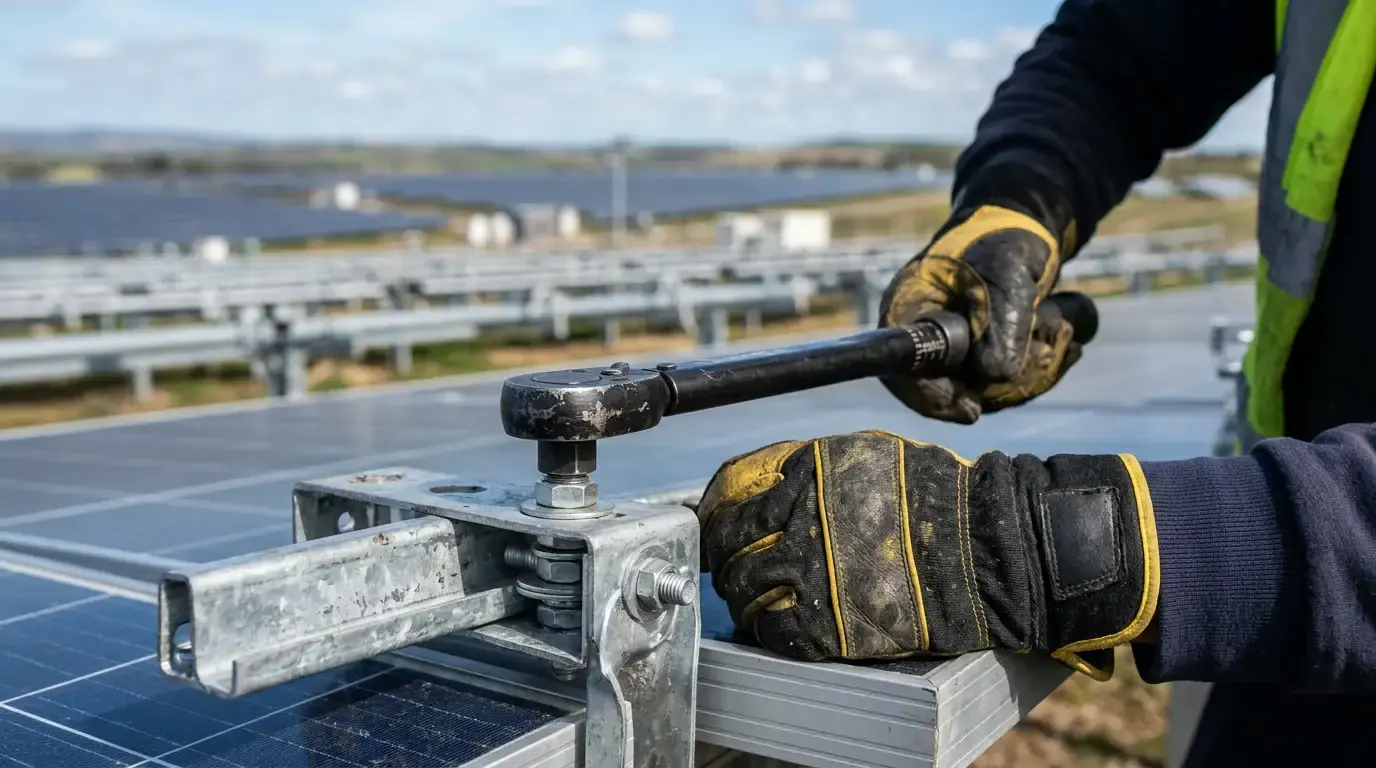
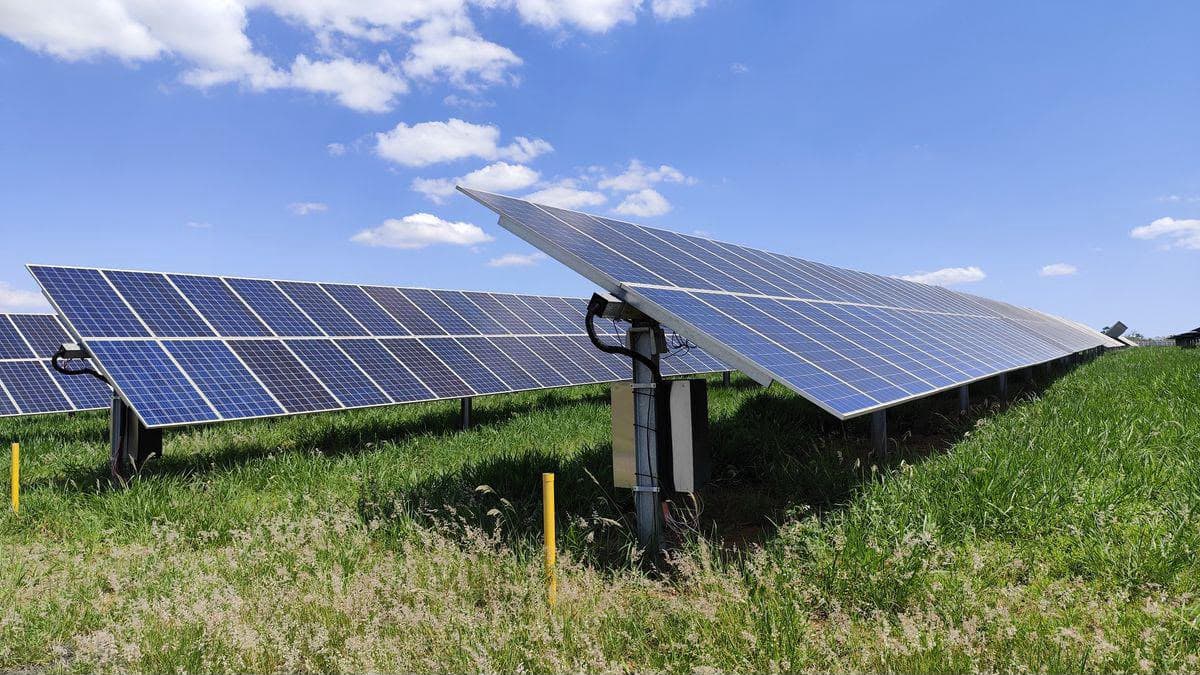
A typical system includes panels, mounting hardware, wiring and an inverter. The panels absorb sunlight and turn it into electricity. Some installations also add batteries to store surplus power for later use. A good installer will assess the roof, run an energy review and advise on storage if needed.
FAQs
No. Solar power is a renewable energy source and does not fill or pollute the atmosphere in the way fossil fuels do.
“Plan around your location, budget, electricity use and access to sunlight — then compare quotes on specifications, maintenance, batteries and warranty.”
Conclusion
Solar power can supply a home or business while cutting reliance on fossil fuels. The right system varies by site, budget and demand. Ask installers for clear quotes, compare system options, and ask about specifications, maintenance, battery choices and warranty. With a solid plan you can manage bills and move toward cleaner energy.